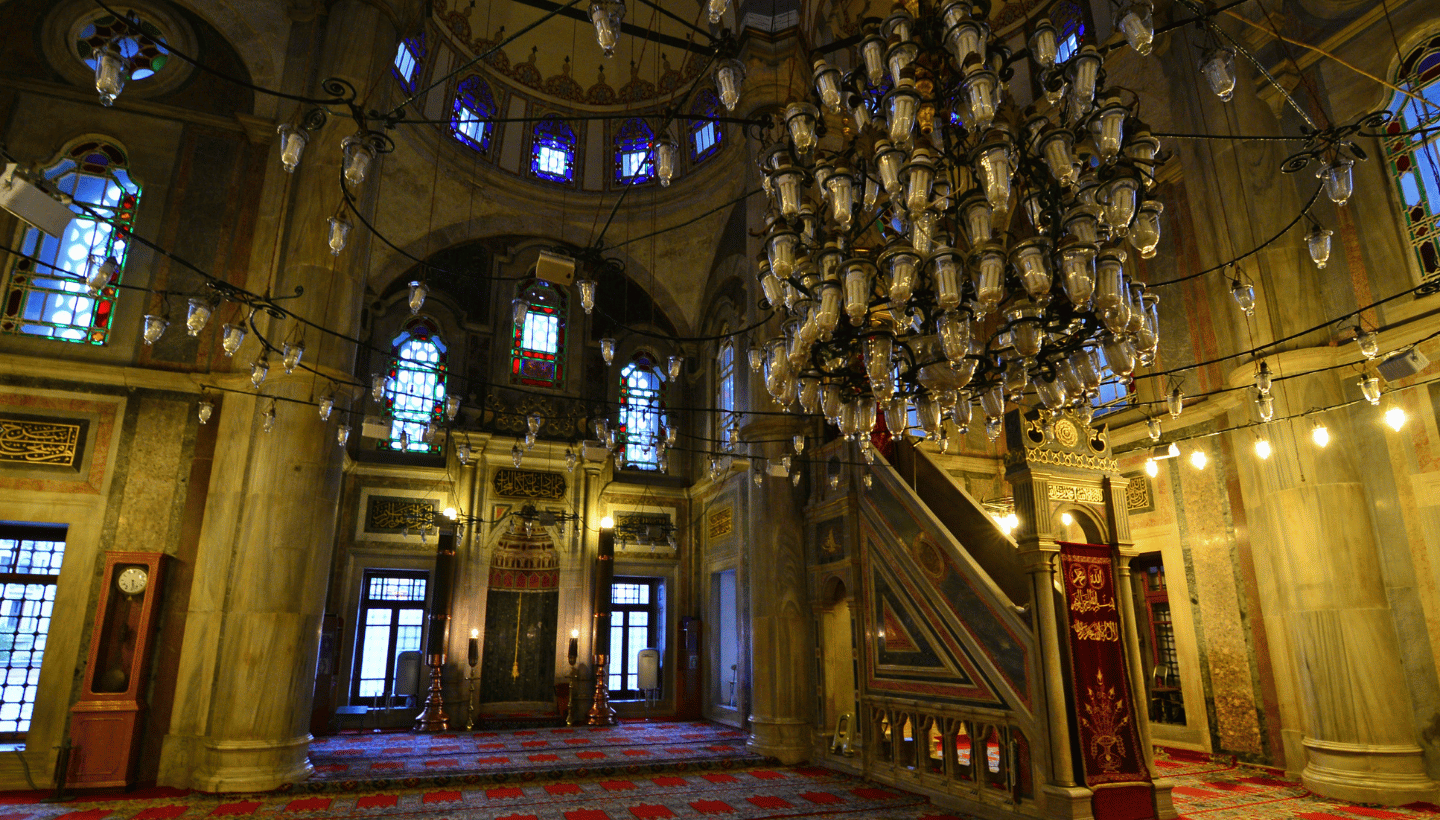
Istanbul is a city of more than three thousand mosques, and for many travellers stepping inside one of them is among the most memorable moments of the trip. Mosques in Istanbul are not museums: they are active places of worship where people pray five times a day. Visitors of every faith are welcome, but a little knowledge of mosque etiquette makes the experience smoother, more respectful and far more rewarding.
This guide covers everything you need to know about etiquette when visiting a mosque in Istanbul: what to wear, what to do with your shoes, how to behave inside the prayer hall, when to visit, and which beautiful mosques near New Central Hotel in Laleli are worth seeing beyond the famous names. Follow these simple rules and you will be greeted with warmth wherever you go.
Why Mosque Etiquette Matters
When you enter a mosque you are entering someone else’s sacred space. While a few landmark mosques receive thousands of tourists every day, most mosques in the city are neighbourhood places where local residents come to pray, rest and reflect. Good etiquette is simply a way of showing respect to the people for whom the building is a spiritual home.
The good news is that mosque etiquette is easy to learn. There are no complicated rituals for visitors and nobody expects you to know every detail. Turkish hospitality is generous, and caretakers are usually happy to help if you are unsure. A modest outfit, quiet behaviour and attention to prayer times cover almost everything. Showing that you have made the effort is often noticed and appreciated.
The Dress Code: What to Wear
Clothing is the first and most visible part of mosque etiquette. The basic principle is modesty for everyone:
- Women should cover their hair with a scarf and wear loose clothing that covers the shoulders, arms and legs. A long skirt or loose trousers are both fine. Avoid tight or see-through fabrics.
- Men should wear long trousers rather than shorts, and shirts that cover the shoulders. Sleeveless tops are not appropriate.
- Everyone should avoid clothing with large slogans or images that could be considered offensive.
Major mosques such as the Blue Mosque usually offer free head scarves and wraps at the visitor entrance, but supplies can run low on busy days and smaller mosques rarely provide them. The easiest solution is to carry a light scarf in your day bag. It takes up almost no space and allows you to enter any mosque you pass, whether it is a grand imperial mosque or a small neighbourhood one in Laleli.
In October, when the weather is mild, a light cardigan or long-sleeved shirt over your daytime clothes is a practical way to stay comfortable outside while respecting the dress code inside. For more seasonal advice, see our guide to the best time to visit Istanbul.
Before You Enter: Courtyard, Shoes and Ablutions
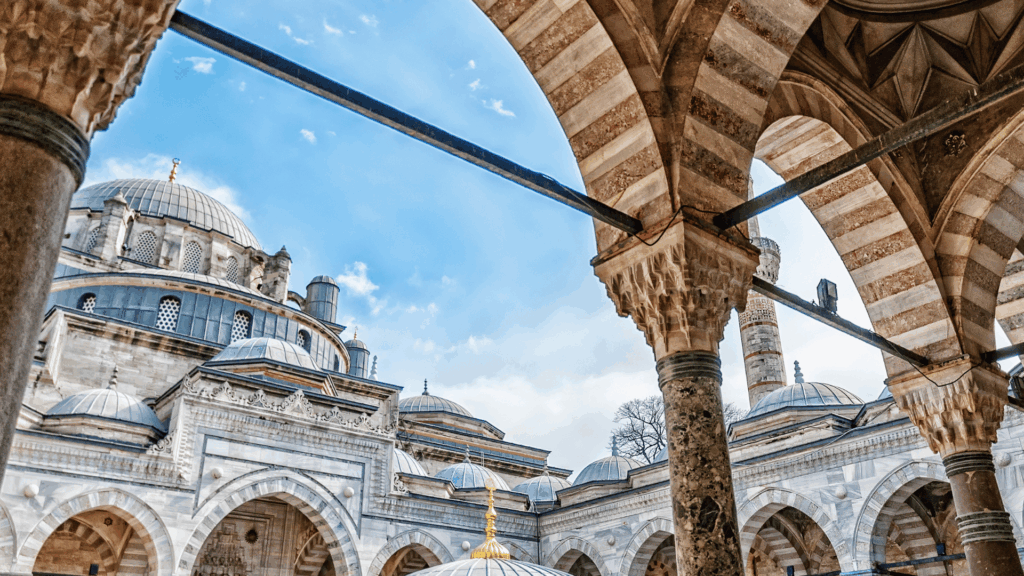
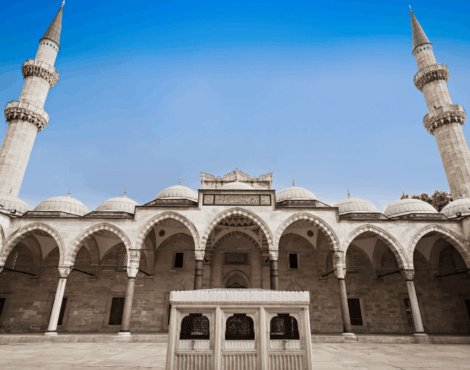
Most historic mosques in Istanbul are entered through a courtyard. In the centre you will often see a fountain called a şadırvan, and along the outer walls there are taps where worshippers perform ablutions, the ritual washing before prayer. As a visitor you do not need to wash, but you should not use these taps as a drinking fountain or a place to rinse your hands casually while people are performing their ablutions.
The most important rule at the door is simple: shoes come off before you step onto the carpet. Large mosques provide plastic bags at the entrance so you can carry your shoes with you, while smaller mosques have wooden shoe racks just inside the door. Socks are perfectly fine, and many visitors prefer to wear them because the carpets can be cool. Remember that the carpeted area is where people kneel and pray, so keep it clean.
If there is a separate visitor entrance, use it. Main doors are often reserved for worshippers, and following the signs is part of good etiquette.
Inside the Prayer Hall: Behaviour and Photography
Once inside, take a moment to look up. Imperial mosques are designed to draw the eye towards the dome, the tiles and the light falling through the windows. Etiquette inside the prayer hall comes down to a few points:
- Speak quietly. Lower your voice to a whisper and keep phone calls for later. Put your phone on silent.
- Do not walk in front of people praying. Pass behind them, never in front, and avoid stepping between a worshipper and the direction of prayer.
- Respect the barriers. In busy mosques, visitors are guided to a designated area. Do not cross ropes or wooden barriers that separate the prayer space.
- Photography: Taking photos of the architecture is generally allowed, but switch off the flash and never photograph people at prayer without permission. Avoid selfies that turn a sacred space into a backdrop.
- Do not touch religious objects. The minbar (pulpit), the mihrab (the niche indicating the direction of Mecca) and copies of the Quran should be admired from a respectful distance.
- Eating and drinking are not appropriate inside the prayer hall.
Sitting quietly on the carpet for a few minutes is perfectly acceptable, and it is one of the best ways to appreciate the atmosphere. Just make sure you are not sitting in the front rows where worshippers will gather for the next prayer.
Prayer Times and When to Visit
Timing is an often overlooked part of mosque etiquette. Muslims pray five times a day, and the exact times change with the seasons according to the position of the sun. Many mosques, especially the most visited ones, close to tourists for roughly half an hour to an hour around each prayer time. On Fridays the midday prayer is the most important of the week, and mosques are at their busiest around noon.
A good rule is to visit in the middle of the morning or the middle of the afternoon, well away from prayer times. Daily prayer timetables are often posted at mosque entrances, and the front desk at New Central Hotel will happily check the day’s times for you. If you hear the call to prayer, the ezan, while you are inside, finish your visit calmly and make your way out so that worshippers have space.
Etiquette at the Blue Mosque and Hagia Sophia
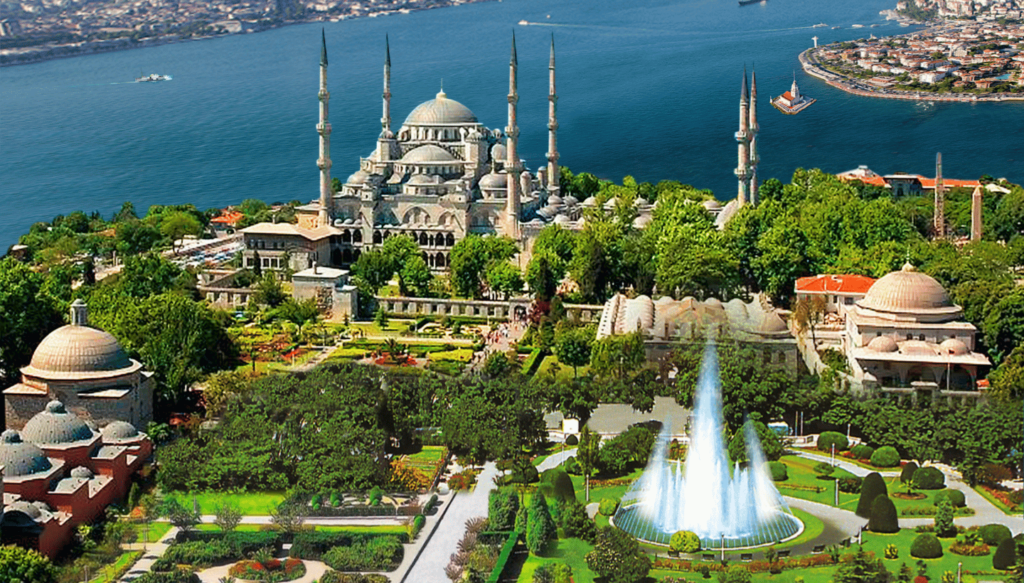
The Sultan Ahmed Mosque, better known as the Blue Mosque, and the Hagia Sophia are the two most famous mosques in the city, and both have their own visitor arrangements. At the Blue Mosque, entry is free and visitors use a dedicated entrance with clear signs on the dress code; scarves and wraps are usually available. Expect queues in high season and closures around prayer times.
The Hagia Sophia has functioned as a mosque again since 2020. Visitor arrangements there have changed several times in recent years, including separate routes and an entrance fee for foreign visitors, so it is wise to check the current rules shortly before your visit. The same etiquette applies: modest clothing, head covering for women, shoes off and a quiet voice.
Both mosques are only a few tram stops from Laleli. Our list of the top 10 must-see landmarks near Sultanahmet will help you plan a full day in the area.
Quieter Mosques Near Laleli
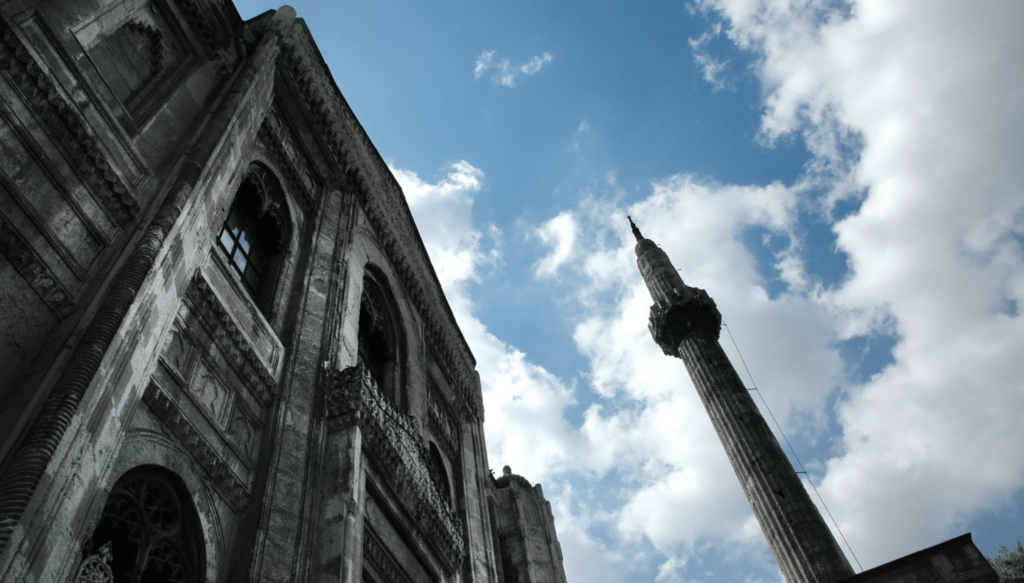
Some of the most rewarding mosque visits happen away from the crowds. Staying in Laleli puts several remarkable mosques within a short walk, each with its own character:
- Laleli Mosque: Built in the 1760s under Sultan Mustafa III, this is one of the finest examples of Ottoman Baroque architecture, with coloured marble and an elegant prayer hall. It gave its name to the neighbourhood and is only a few minutes from the hotel.
- Pertevniyal Valide Sultan Mosque: Commissioned in the 1870s by Pertevniyal Sultan, the mother of Sultan Abdülaziz, this mosque in Aksaray combines Ottoman, Gothic and Moorish influences in a style unlike any other in the city.
- Beyazıt Mosque: Completed in the early sixteenth century, it is the oldest surviving imperial mosque in Istanbul and stands beside Beyazıt Square and the Grand Bazaar.
- Süleymaniye Mosque: Mimar Sinan’s masterpiece, with a peaceful garden and views over the Golden Horn. Our Süleymaniye Mosque visitor’s guide explains its history and layout.
In these quieter mosques, etiquette matters even more, because you are likely to share the space with local worshippers rather than other tourists. A polite nod to the caretaker, a quiet entrance and a short, respectful visit make a good impression. To explore the neighbourhood around these mosques, read our guide to Beyazıt Square and the heart of old Istanbul.
Visiting During Ramadan and on Fridays
During the holy month of Ramadan, mosques are especially busy in the evenings, when people gather for the night prayers after breaking the fast. Visiting during the day is still possible, but be mindful that many people around you are fasting: avoid eating or drinking in mosque courtyards. On Fridays, plan your mosque visits for the morning or late afternoon rather than around noon.
Religious holidays such as Eid can also bring large crowds to the mosques early in the morning. If your trip coincides with a holiday, ask at reception about the expected busy hours.
Frequently Asked Questions
Can non-Muslims visit mosques in Istanbul?
Yes. Non-Muslim visitors are welcome in almost all mosques outside prayer times, as long as they follow basic etiquette and dress modestly.
Do I need to pay to enter a mosque?
Most mosques, including the Blue Mosque, are free. The Hagia Sophia has introduced special visitor arrangements and fees for foreign visitors, so check the latest information before you go.
Do women have to cover their hair?
Yes, women are expected to cover their hair inside a mosque. A simple scarf is enough.
Can I take photos inside a mosque?
Usually yes, without flash and without photographing people at prayer. Some mosques may ask visitors not to take photos during certain times.
Final Thoughts
Mosque etiquette in Istanbul is less about rules and more about respect. Dress modestly, take off your shoes, keep your voice low and plan your visit around prayer times, and you will find that mosques are among the most peaceful and welcoming places in the city. From the Blue Mosque in Sultanahmet to the elegant Laleli Mosque just around the corner from New Central Hotel, every visit offers a quiet moment of beauty in the middle of a busy city.